The Architecture of the Breeze and the Sea
 media-video-link
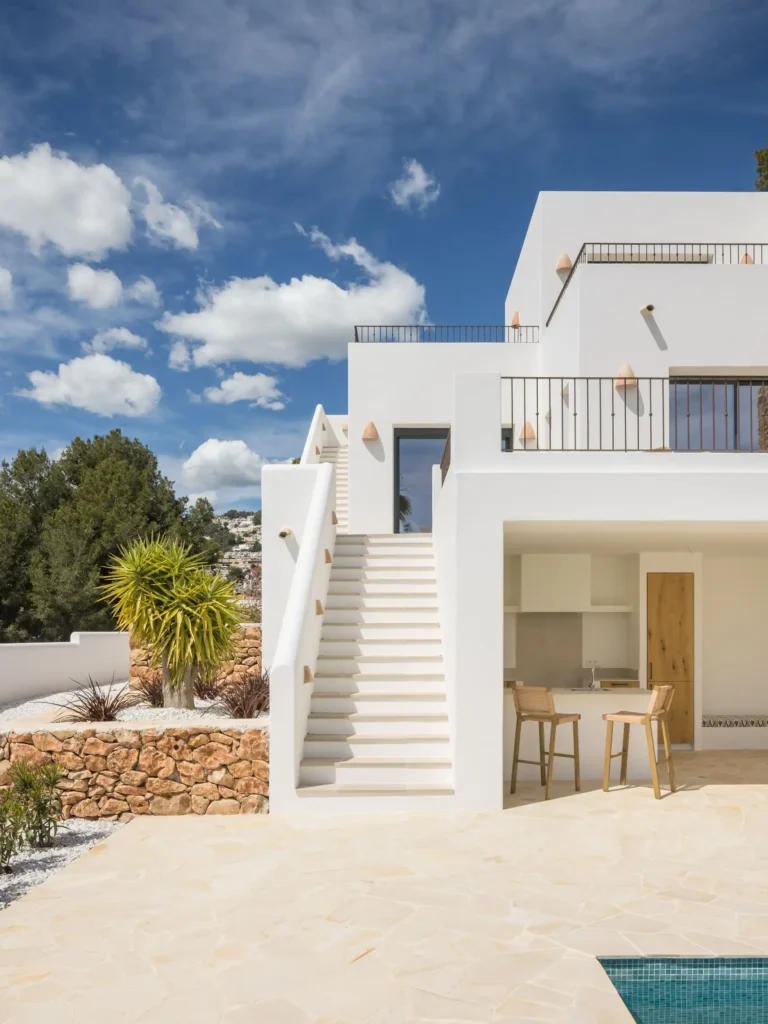
Mediterranean vernacular architecture derives its value precisely from its ability to respond naturally to environmental conditions.
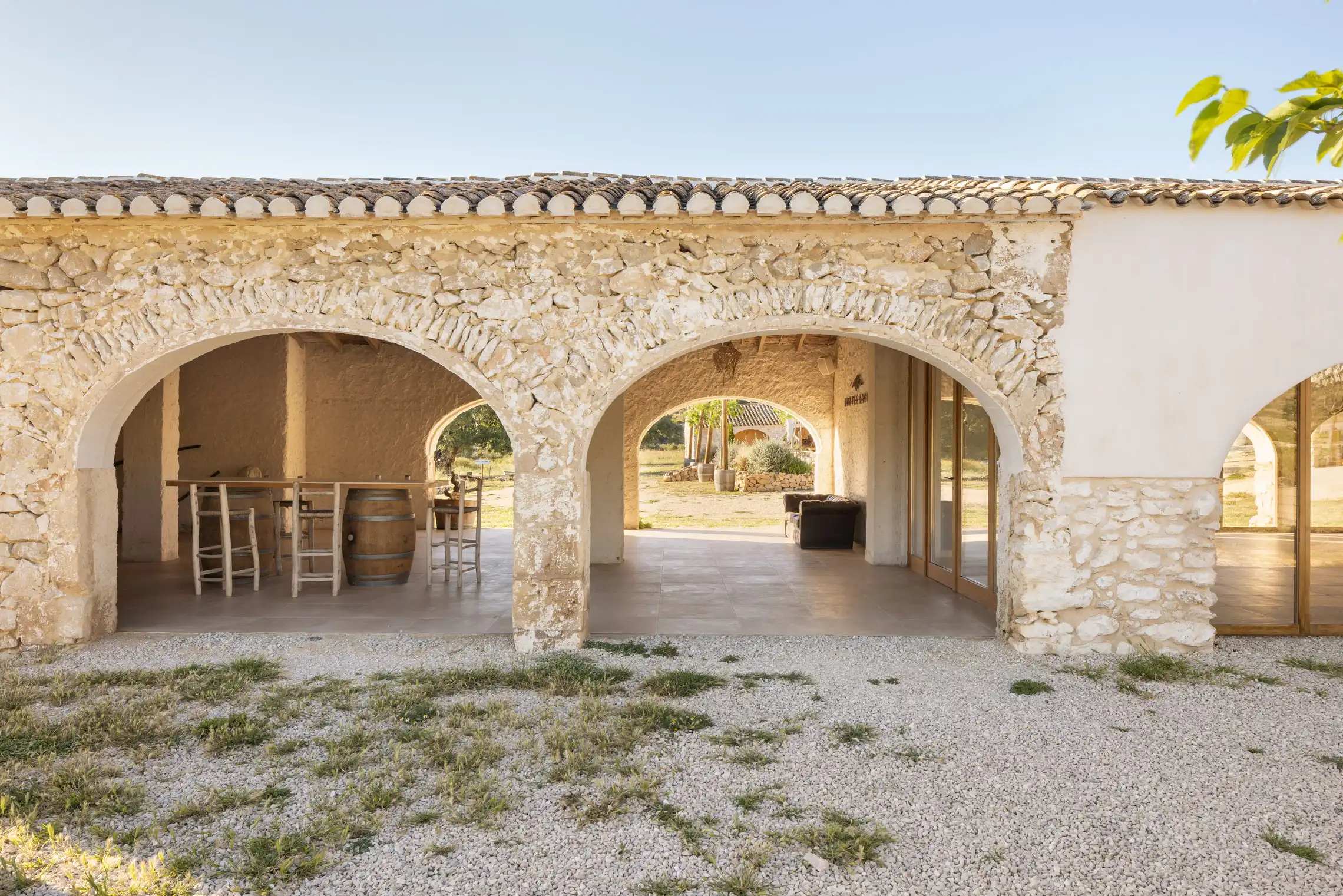
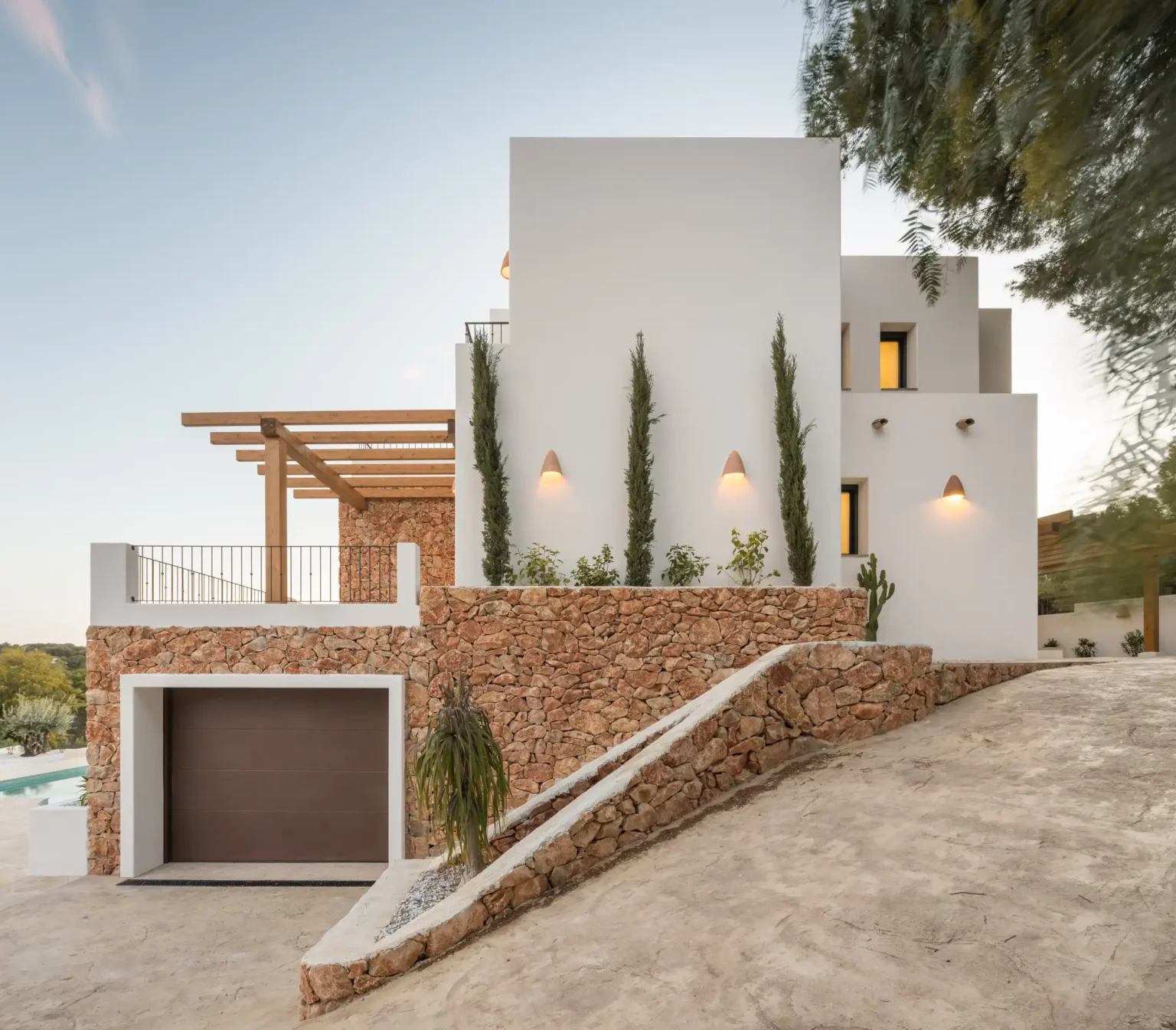
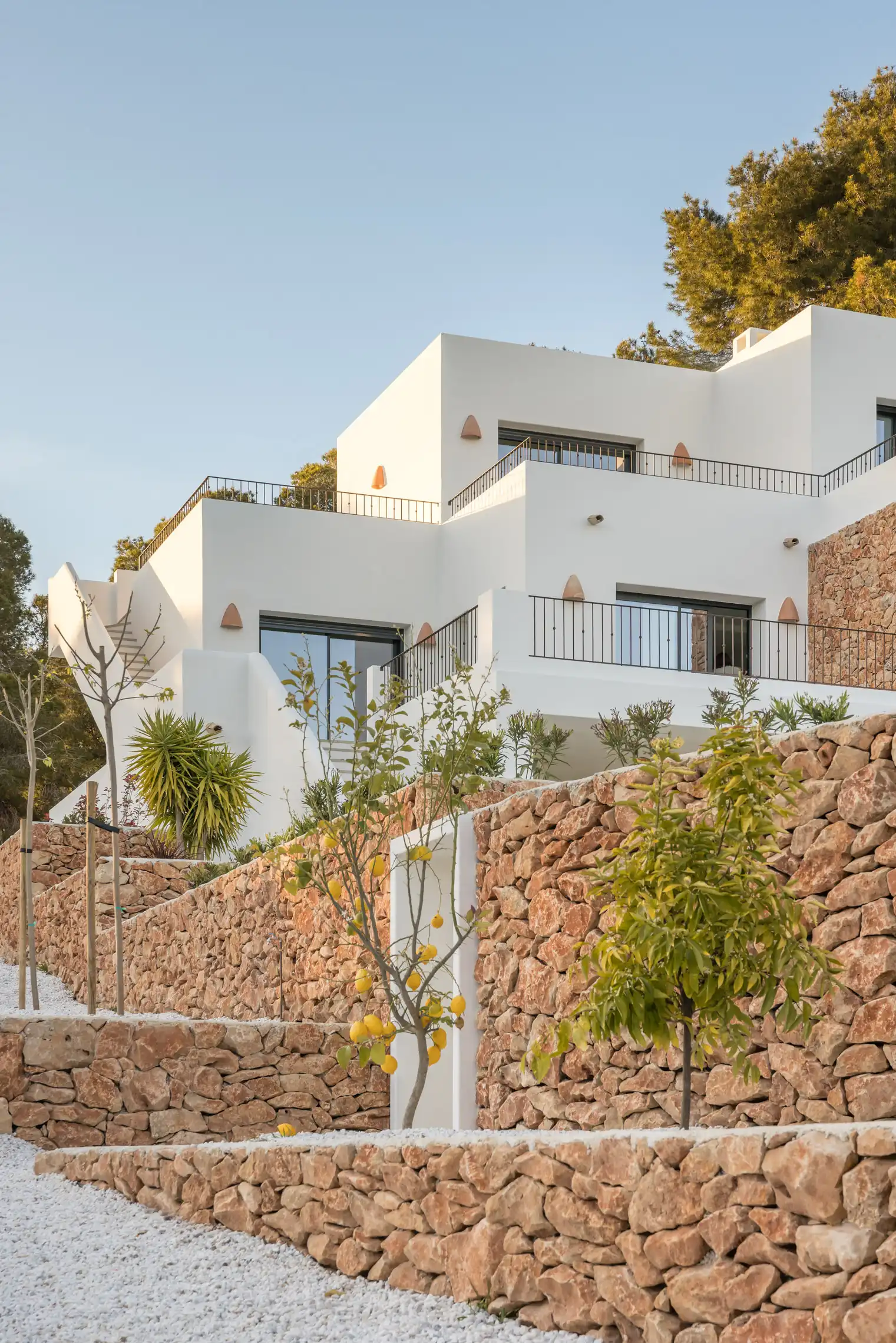
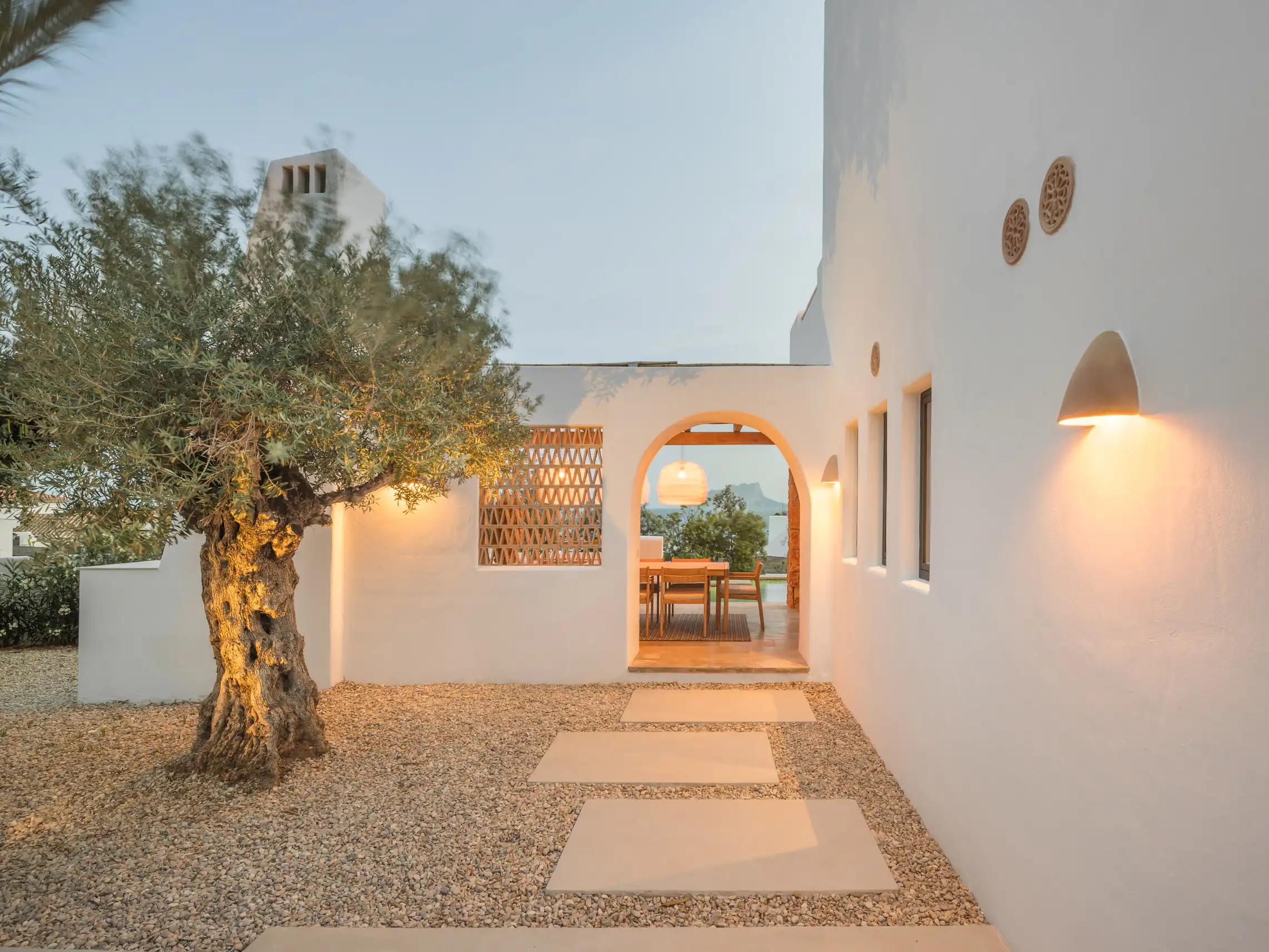
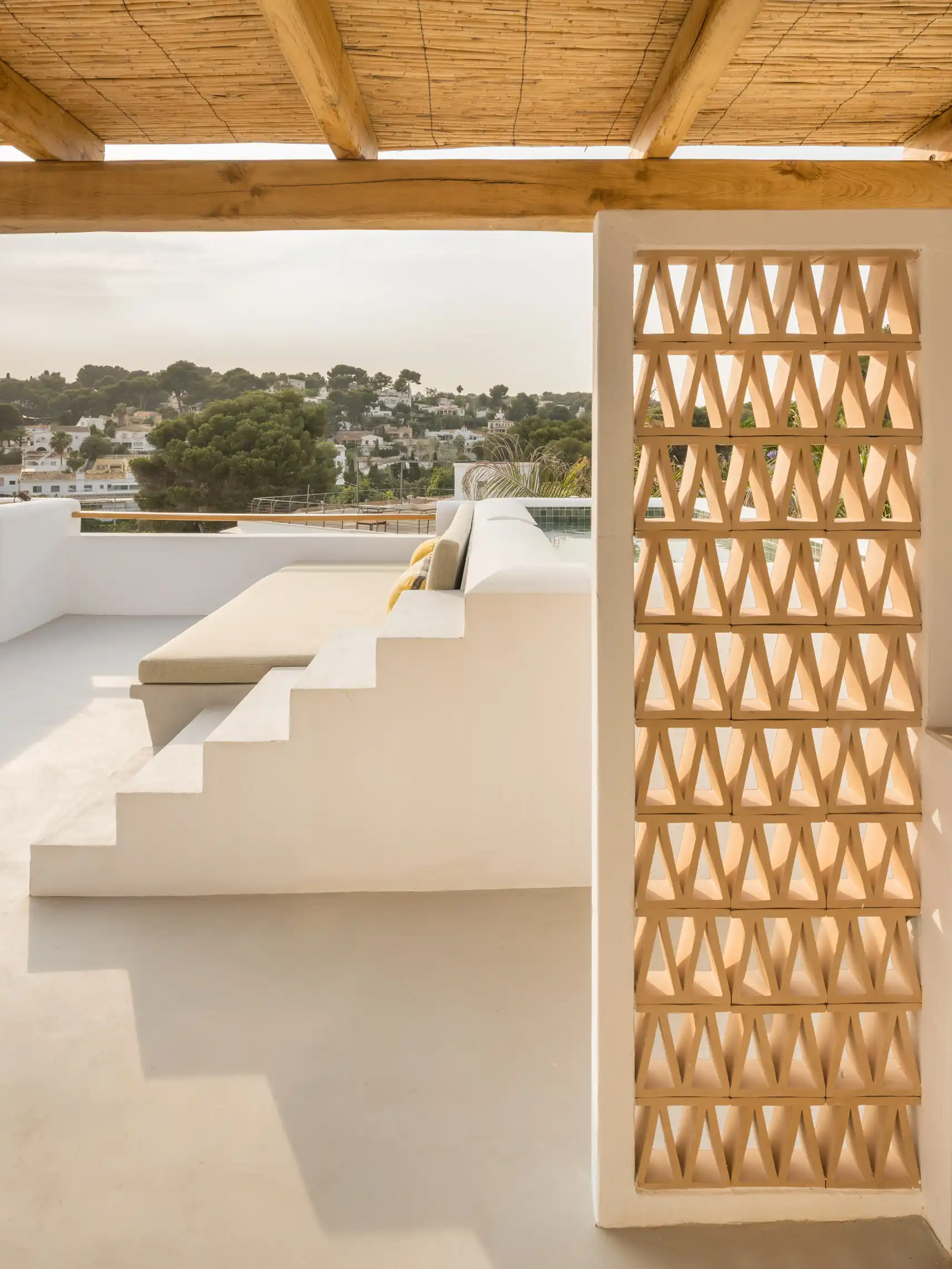
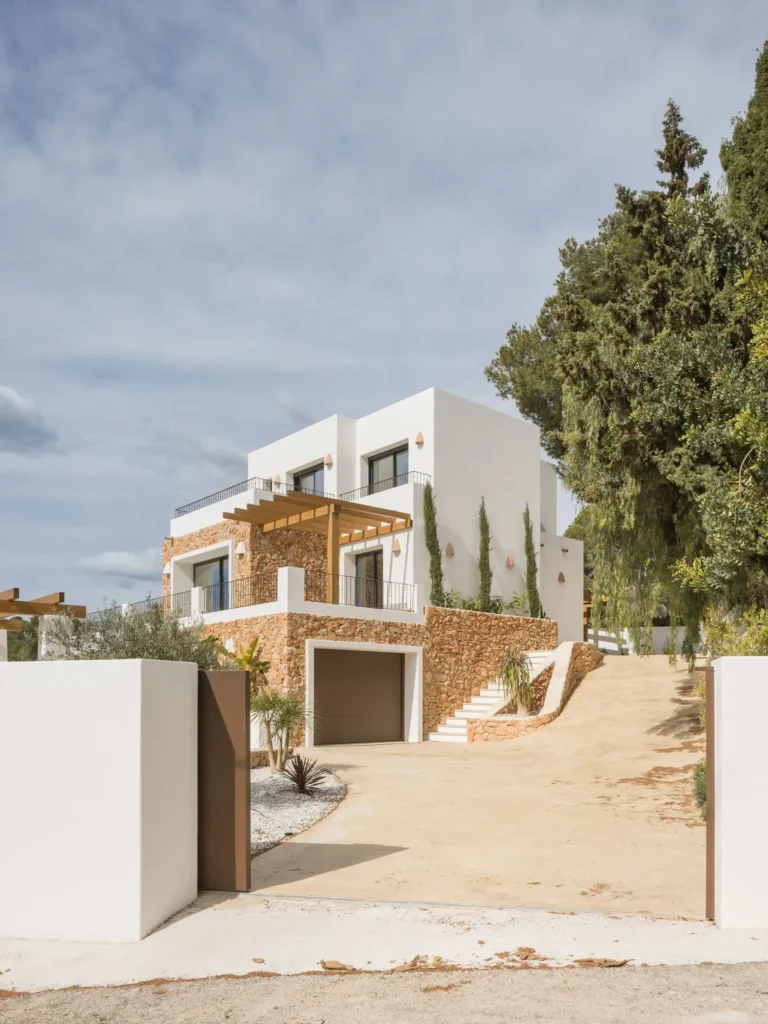
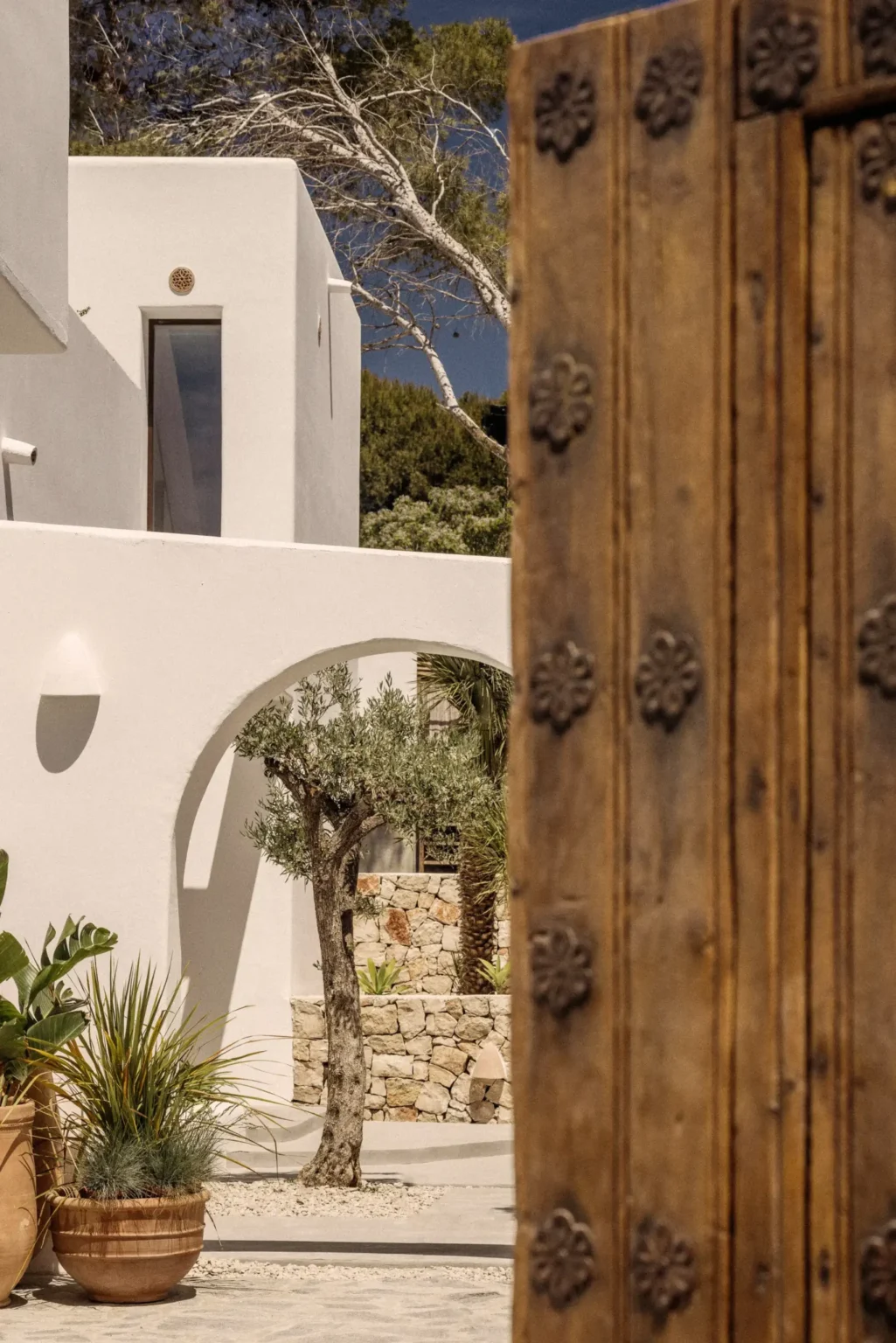
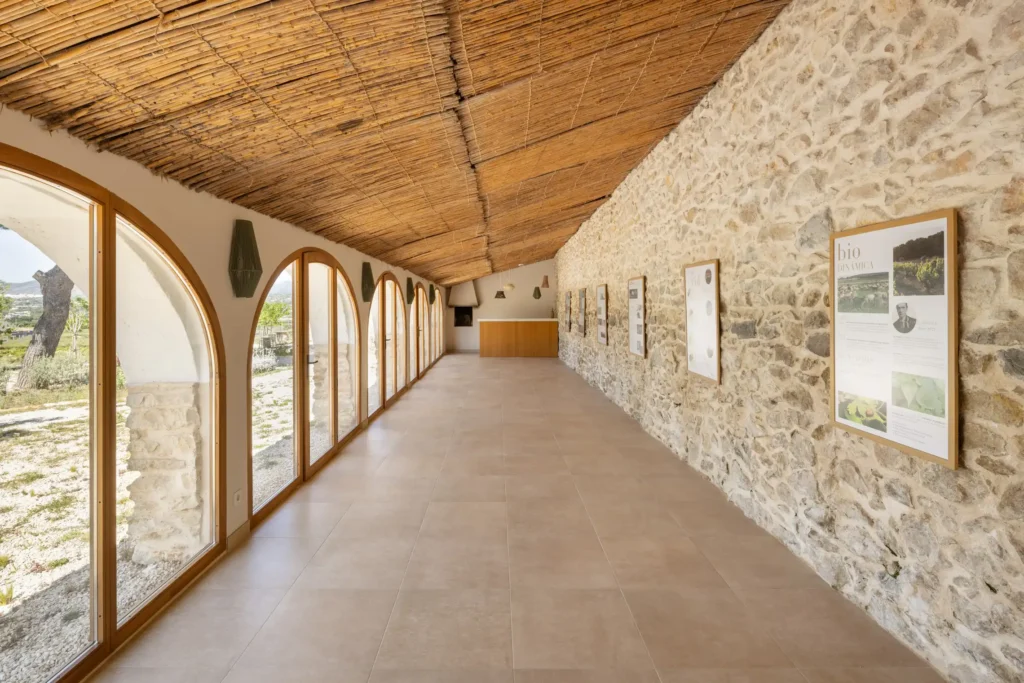
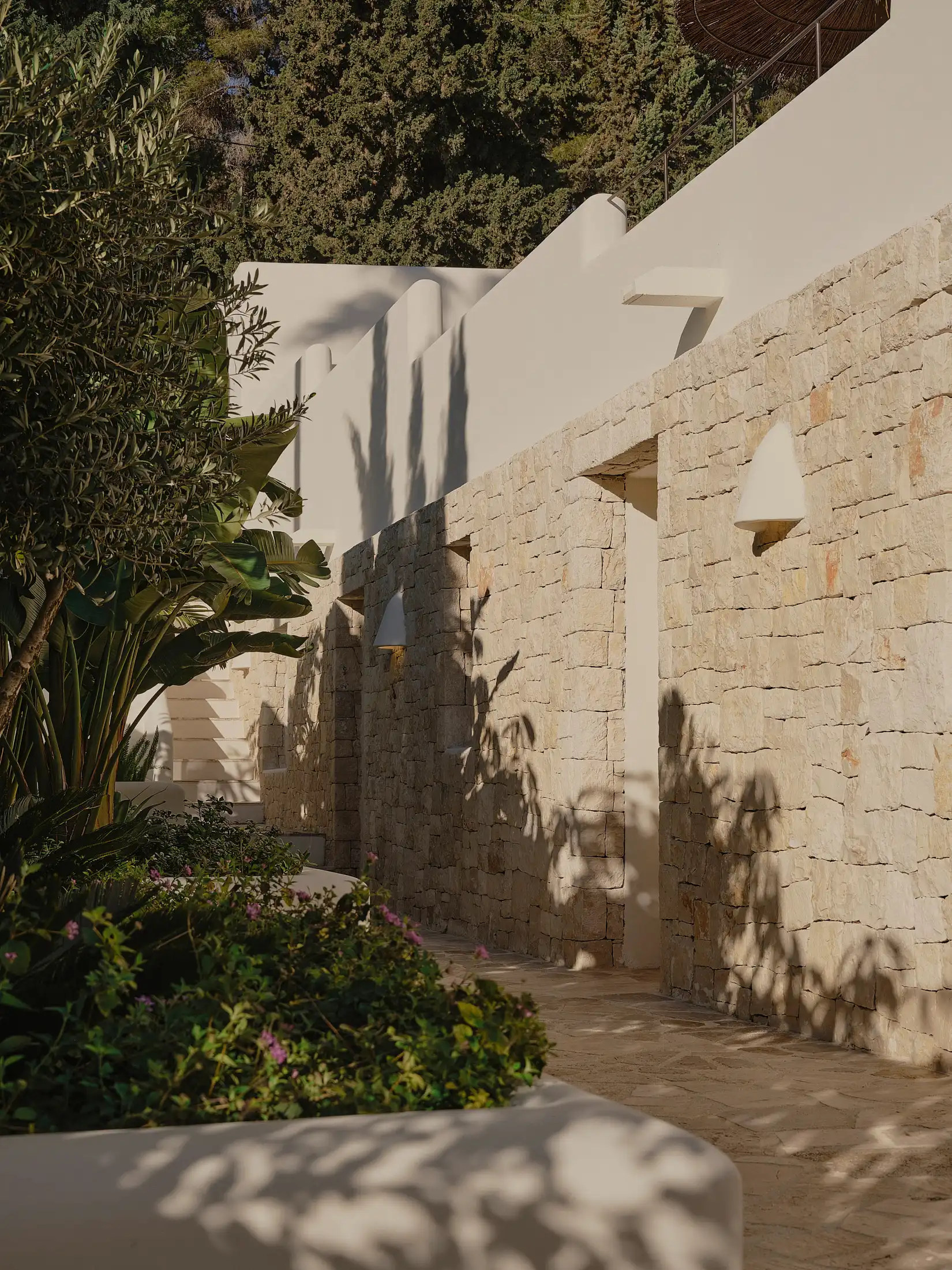
The materials come from the local area: stone quarried from nearby quarries, wood from local forests, lime as a traditional finish, and ceramics made by local artisans.
Each building thus becomes an extension of the landscape, sharing its colors, textures, and character.
Concept
This relationship with the place goes beyond the physical. Mediterranean architecture views the climate as an ally rather than a condition to be fought against.
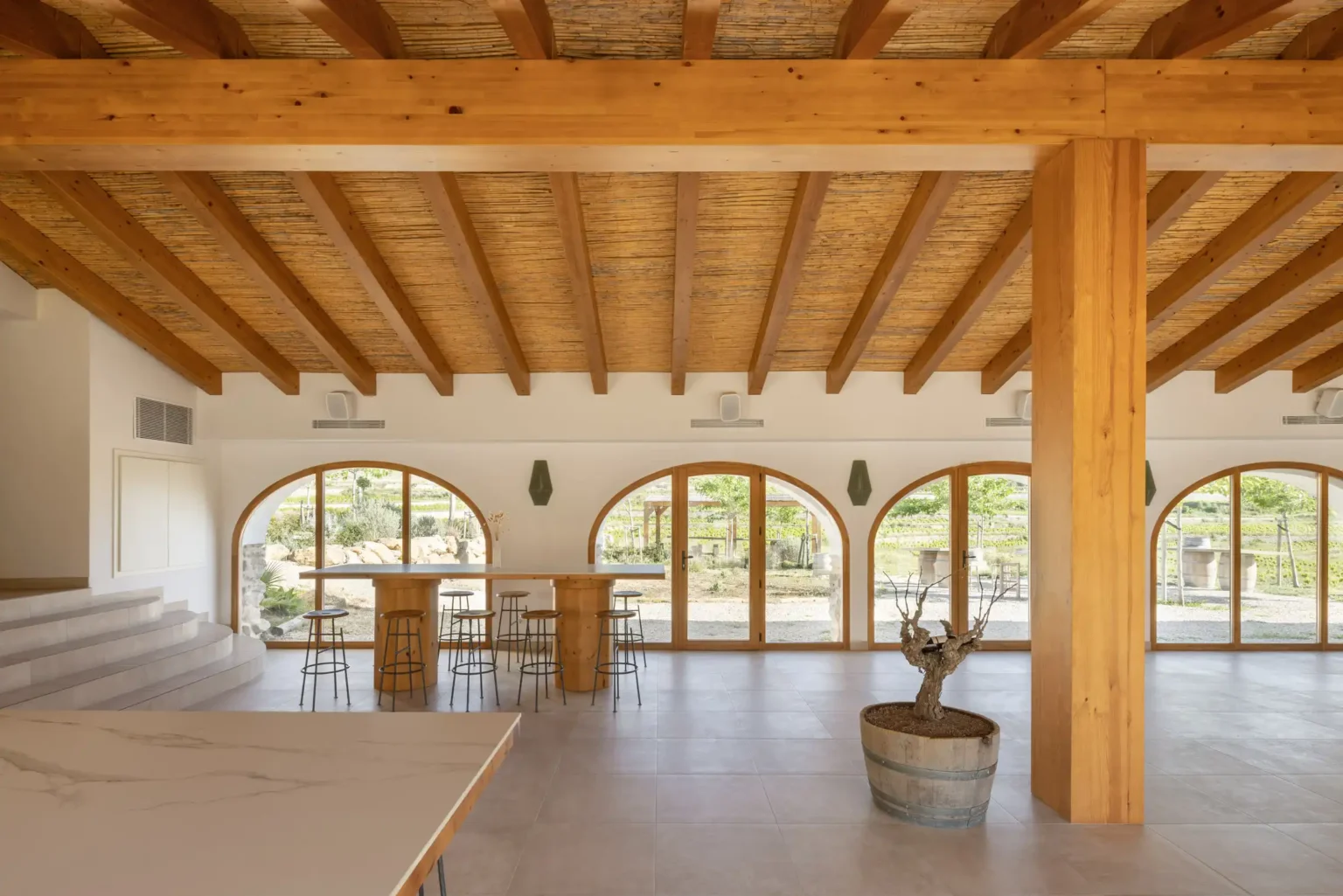
The thick stone walls provide thermal mass, the courtyards promote natural ventilation, and the porches create shaded areas that allow residents to enjoy the outdoors for much of the year. The ever-changing light shapes the spaces and transforms the architecture into a sensory experience linked to the passing of the seasons and the hours of the day.
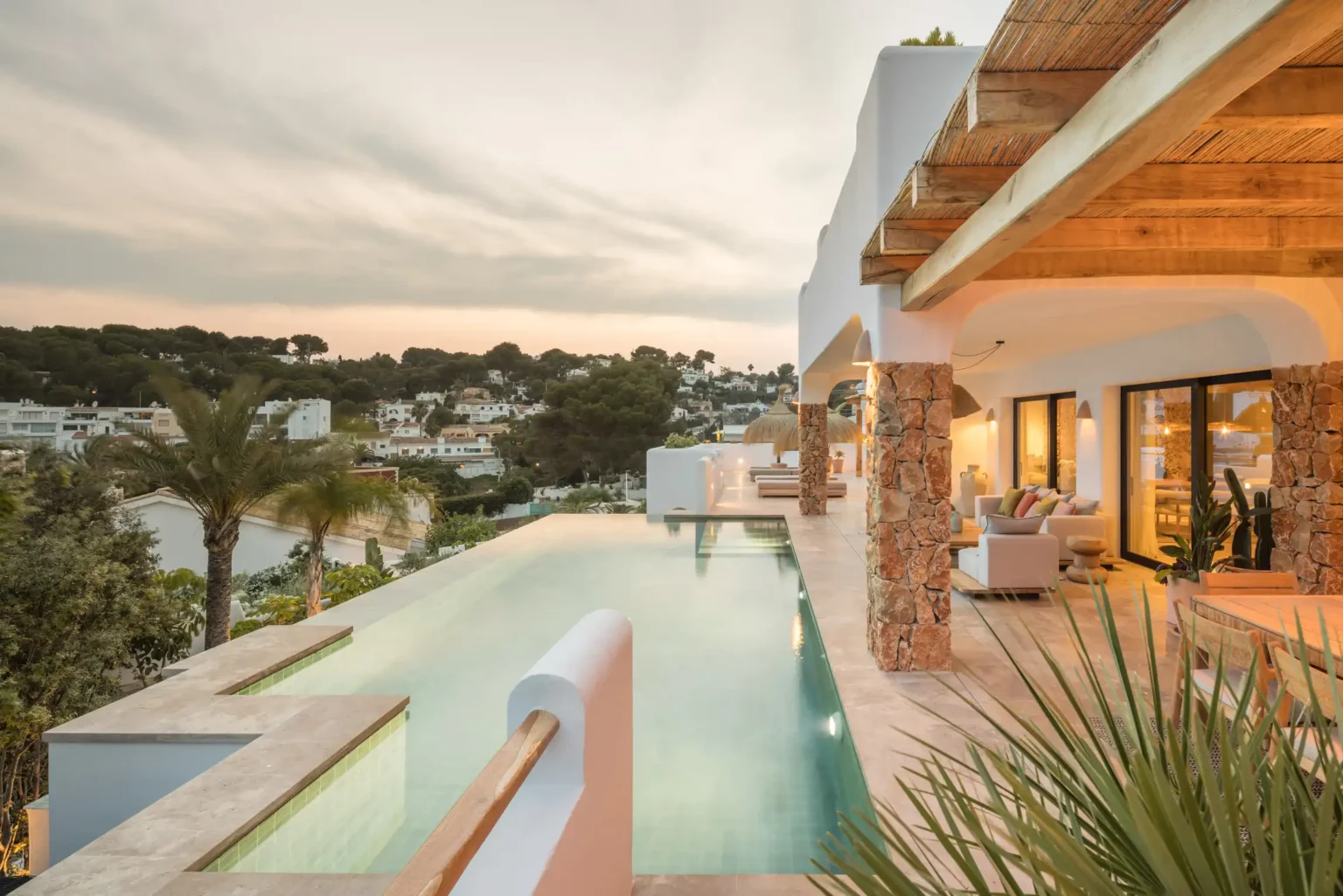
One of the fundamental principles of this tradition is the blurring of the boundaries between the interior and the exterior.
A home is not limited to its facades; it extends to terraces, patios, gardens, and transitional spaces that broaden the way we live. These transitional spaces allow us to live outdoors, share moments of togetherness, and maintain a constant connection with our surroundings. Architecture thus becomes a framework from which to contemplate and experience the landscape.
 media-video-link
 media-video-link
CONTEXT
In this context, elements such as the sea breeze, native vegetation, and ocean views take center stage.
They are not merely constraints on the project, but an essential part of the architecture.
The openings are oriented to capture the wind; plant species are integrated as part of the spatial experience; and the views are carefully crafted to establish a constant connection with the horizon and the surrounding landscape.
Today, when sustainability has become an unavoidable necessity, Mediterranean architecture offers particularly valuable lessons.
Its ingenuity lies in its simplicity: making use of local resources, building with locally sourced materials, reducing energy dependence, and creating spaces that interact naturally with the climate. More than just an aesthetic choice, it represents a responsible way of building and living.
 media-video-link
 media-video-link
 media-video-link